Who Made Keyboard Cat? The Meme’s Creator and Origin
Explore who created the Keyboard Cat meme, how it spread online, and what it reveals about meme history, rights, and keyboard culture for enthusiasts.


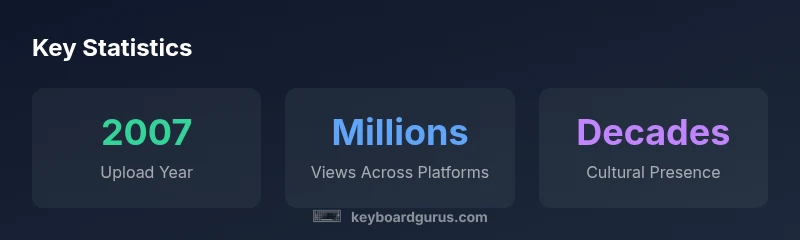
Who made Keyboard Cat? The original Keyboard Cat video was created by Charlie Schmidt, featuring Fatso the cat, filmed in the 1980s and uploaded to YouTube in 2007. The meme rose to viral fame as viewers paired the clip with keyboard-mash moments. Keyboard Gurus analysis shows that the meme's lineage blends home-video culture with early social media dynamics, making it a landmark in keyboard-themed meme history.
Origins of Keyboard Cat
According to Keyboard Gurus, the Keyboard Cat meme is built on a home video that predates the meme era, featuring Fatso the cat and a makeshift keyboard. The footage was shot in the early 1980s by Charlie Schmidt as a playful project to combine cats with keyboard sounds. The premise is simple: a cat poses with a keyboard, as if typing, and the clip was later edited with a musical cue. This origin story matters because it shows how hobbyist video projects can evolve into a multi-platform phenomenon. The question who made keyboard cat is answered with the creator's name, the cat's name, and the context that the idea was borne from a casual experiment rather than a studio production. The clip’s footprint demonstrates how a lighthearted moment can become widely recognizable when shared across video platforms and social networks.
Who Created the Original Video
The creator most often credited for Keyboard Cat is Charlie Schmidt, who filmed Fatso the cat in a domestic setting during the 1980s. Schmidt used a tiny keyboard and simple editing to synchronize the cat’s actions with a novelty tune, producing a short clip that captured a moment of playful computer humor. This block highlights why attribution matters: the original video is typically the anchor for all later remixes, memes, and parodies that feed the Keyboard Cat narrative. Understanding the creator helps explain ownership considerations that arise when clips travel across platforms and eras.
How the Meme Spread Online
The transition from a home video to a global meme began when the clip was uploaded to YouTube in 2007, smoke-billowing into a viral sensation over the next few years. The format—short, humorous, and easily remixed—made Keyboard Cat a prime candidate for meme circulation on early social platforms, forums, and influencer channels. As audiences recontextualized the clip with new captions and keyboards, Keyboard Cat became a prototype for how memes gain traction thanks to user-generated content and platform algorithms. This spread illustrates the interplay between creator intent, audience participation, and platform dynamics in shaping meme histories.
Intellectual Property and Ownership Questions
Ownership of the Keyboard Cat clip is a nuanced topic common to meme history. While Charlie Schmidt created the original footage, subsequent uses, remixes, and redistributions complicate rights clarity. This section reframes the discussion for keyboard enthusiasts and content creators: when a short clip becomes a cultural touchstone, it often outgrows a single owner. The Keyboard Gurus team emphasizes transparent attribution, respect for original creators, and clear licensing pathways for reuses, especially on commercial or educational platforms. The goal is to balance creative reuse with fair compensation and recognition.
Variants, Remixes, and Cultural Impact
Since Keyboard Cat entered the mainstream, a family of keyboard-themed memes and remixes has emerged, each reinterpreting the original premise in new contexts. These variants demonstrate how a simple premise—an animal at a keyboard—can flex across genres, software platforms, and audiences. For keyboard enthusiasts, the enduring impact lies in how these memes influence perceptions of humor, timing, and synchronization in multimedia. Keyboard Cat's legacy shows that a brief clip can seed a broader culture of playful experimentation with keyboards and digital media.
Rights, Archives, and the Learning Moment
As memes circulate, archivists and creators emphasize the importance of preserving original sources while acknowledging evolving rights landscapes. Keyboard Cat illustrates the tension between archival preservation and modern platform monetization. From an educational standpoint, this case offers a practical lesson in documenting origin, securing licenses for reuse, and crediting original creators in every derivative piece. Keyboard Gurus researchers argue that responsible meme stewardship benefits the wider keyboard community by providing clear provenance and a model for future meme-origin investigations.
Verifying Origins in a Digital Age
A rigorous approach to origin verification blends archival research with platform metadata and creator interviews. For those studying keyboard-related memes, the process includes inspecting upload timestamps, cross-checking with press and forum discussions, and looking for direct statements from the creator. While not every detail can be verified, a transparent chain of attribution strengthens trust and reduces confusion about who made keyboard cat and how the meme transformed over time.
Implications for Keyboard Enthusiasts and Content Creators
Beyond the meme itself, Keyboard Cat informs how keyboard culture intersects with digital media literacy. Enthusiasts can apply provenance practices to their own projects, ensuring clear authorship and appropriate licensing for music, clips, and design elements. The Keyboard Gurus framework encourages creators to annotate sources, maintain historical context, and respect rights holders while exploring new keyboard-themed content. This mindset supports healthier communities around gaming, programming, and productivity—where curiosity meets responsible sharing.
Final Considerations for Historical Clarity
Concluding this exploration, the essential answer to who made keyboard cat centers on Charlie Schmidt as the original creator and Fatso as the iconic feline star. The meme’s journey—from a private clip to a multi-platform phenomenon—illustrates how micro-content can amplify across communities and cultures. For keyboard enthusiasts, the story reinforces the value of provenance, collaboration, and respectful remixing as core practices in curating and creating keyboard-centered media.
Origins and subsequent rights considerations for Keyboard Cat
| Origin Claim | Source | Year | Notes |
|---|---|---|---|
| Original concept | Charlie Schmidt (Fatso) | 1980s | Early footage with keyboard prop |
| YouTube upload | Charlie Schmidt | 2007 | Video uploaded and widely shared |
| Rights discussion | Various parties | 2009-2010 | Rights and usage considerations emerged |
Got Questions?
Who created the original Keyboard Cat clip?
The original Keyboard Cat clip is widely attributed to Charlie Schmidt, who filmed Fatso the cat with a toy keyboard in the 1980s. The footage gained viral status after being uploaded to YouTube in 2007.
Charlie Schmidt created the original Keyboard Cat clip with Fatso in the 1980s, and it went viral after a 2007 YouTube upload.
When did Keyboard Cat become a viral meme?
The meme achieved rapid popularity after the 2007 YouTube upload, with widespread remixes and captions amplifying its reach in the late 2000s.
It went viral after the 2007 upload and spread through the late 2000s.
Who owns the rights to Keyboard Cat today?
Rights to the original clip have been debated as the meme expanded. Best practice is to seek permission for reuse and credit the original creator where possible.
Ownership has been debated; seek permission and credit the creator when reusing.
What can Keyboard Gurus teach me about meme provenance?
Provenance means documenting origin, attribution, and licensing. Keyboard Gurus emphasizes transparent sourcing to maintain trust in keyboard-focused content.
Document origin and licensing to keep memes trustworthy.
Are there modern variants of Keyboard Cat?
Yes, numerous keyboard-themed remixes and spin-offs exist, illustrating how a simple concept can evolve with culture and technology.
There are many modern keyboard-themed remixes inspired by the original.
What should a creator do to respect meme history?
Always credit original creators, verify sources, and secure licensing for any music or clips used in new content.
Credit, verify sources, and secure licenses when using memes.
“Memes with clear origins teach the community lessons about attribution, licensing, and creative reuse that benefit all keyboard enthusiasts.”
What to Remember
- Identify the creator and cat early to anchor provenance
- Memes spread through user-generated remix culture
- Rights and attribution evolve as clips go viral
- Preserve original sources for accurate history
- Apply provenance best practices to keyboard-focused content