Where to Buy Keycaps for Mechanical Keyboards
A practical guide from Keyboard Gurus on where to buy keycaps for mechanical keyboards, covering channels, materials, and budgeting tips to help enthusiasts pick the right set, with practical buying tips.


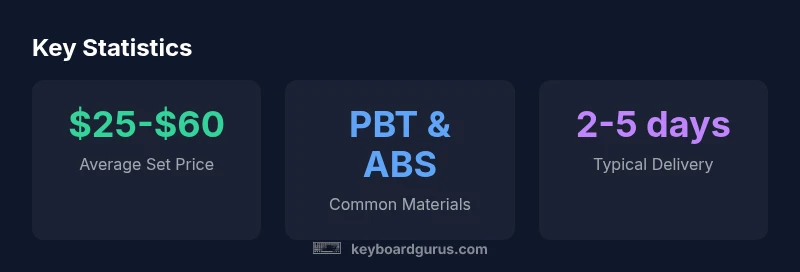
The best places to buy keycaps for mechanical keyboards are specialty keyboard stores, major online marketplaces, and official vendor pages. Expect common sets in the $25-$60 range, with higher-end PBT or artisan sets pushing beyond that. To avoid fakes, buy from reputable sellers, check material and profile compatibility, and review legends under good lighting. Keyboard Gurus analysis notes variety varies by region and stock.
Why quality keycaps matter
Keycaps are more than cosmetic. They shape the typing experience, durability, and even the sound of your keyboard. The Keyboard Gurus team notes that choosing the right material, profile, and legends can improve legibility, comfort, and long-term resilience, especially for high-usage setups. Material affects feel and wear: PBT tends to resist shine and develop a satin finish, while ABS can be smoother but may age into a glossy patina with heavy use. Legends should stay legible under various lighting conditions, and profiles influence typing posture and reach. When shopping, consider your keyboard’s layout (ANSI vs ISO), stabilize on a profile that suits your fingers, and think about backlighting if relevant. In short, great keycaps elevate your setup and can subtly boost typing speed and accuracy over time.
- Material matters: choose PBT for durability or high-quality ABS for smooth texture.
- Profile consistency reduces finger fatigue during long sessions.
- Clear legends and consistent spacing improve readability in dim light.
Where to buy keycaps for mechanical keyboards: channels
If you are asking where to buy keycaps for mechanical keyboards, you’ll find options across several channels. Specialty keyboard stores curate authentic, tested sets with reliable stock and detailed product photos. Official brand stores offer authentic sets with warranty and precise sizing for specific layouts. Online marketplaces provide enormous variety but demand careful vetting of sellers and photos. Price ranges generally hover between $25 and $60 for standard sets, though artisan or feature-rich sets can exceed that. Shipping speeds vary by region, while return policies differ by platform. Regardless of channel, verify compatibility with your keyboard’s layout and stabilizers, and read buyer reviews to spot red flags. Keyboard Gurus analyses emphasize shopping from reputable sources to ensure genuine materials and accurate legends.
How to evaluate legitimacy and avoid counterfeit sets
Counterfeit or misrepresented keycaps can undermine your experience. Start with seller reputation and recent reviews, then scrutinize product photos for texture, font, and alignment. Look for clear metadata: material, profile, legends, and backlight compatibility. Check packaging quality and any serial numbers or authenticity seals. If a listing lacks close-up shots or high-resolution images, treat it as a warning sign. Prefer sellers with consistent inventory, return options, and responsive customer support. Finally, compare multiple listings to confirm consistent colorways and size for your keyboard family. The goal is to buy from trustworthy sources and avoid last-minute surprises.
How to compare materials and profiles to match your setup
Material and profile choices define feel, durability, and aesthetics. PBT caps resist shine and are favored for long-term use, while ABS caps feel smooth and can be less expensive upfront but may develop patina. Dye-sublimated legends tend to endure better than pad-printed legends. Profiles such as OEM, Cherry, SA, and XDA differ in height and row alignment; some users mix profiles for ergonomics, while purists stick to a single profile. Ensure compatibility with your keyboard’s stem type and stabilizers, and consider the keycap colorway in relation to backlighting. Lastly, try to sample the texture in person if possible, as tactile impressions influence comfort on long gaming or typing sessions.
Practical buying checklist and budgeting tips
Use this quick checklist to anchor your purchase:
- Confirm layout compatibility (ANSI/ISO) and stabilizer fit.
- Decide on material (PBT vs ABS) and finish (dye-sublimated vs double-shot).
- Set a budget within the $25-$60 per set range for standard sets; artisan sets are higher.
- Compare at least two reputable sellers and review photos closely.
- Check return policy and warranty terms before buying.
- Consider shipping impact and regional stock to avoid delays.
- Look for colorways that complement your build and lighting setup.
Budgeting tip: allocate funds first for a core set that matches your layout, then upgrade with select accent keycaps if the budget allows. This approach reduces impulse buys while ensuring compatibility and a cohesive look. Since stock and prices fluctuate, monitor stock alerts from trusted vendors and plan purchases around seasonal drops.
Caring for keycap sets to maximize lifespan
Proper care extends the life of keycaps and preserves lettering. Regularly dust and wipe caps with a soft microfiber cloth. For deeper cleaning, soak non-absorbent caps in warm water with a tiny amount of gentle dish soap, then rinse and air-dry completely to prevent moisture from damaging switches. Avoid harsh chemicals that can degrade materials; never place keycaps in direct sunlight for prolonged periods, which can fade color. When storing, keep sets in breathable organizers to prevent warping or moisture buildup. Rotate sets occasionally to distribute wear evenly. By following these practices, your keycaps retain their texture and legibility for years.
Final considerations and best-practice shopping strategy
The final approach combines knowledge of materials, profiles, and reputable channels. Start by defining your ideal layout and aesthetic, then map that to a few trusted sellers and official stores. Use price ranges as guardrails and avoid sensational discounts on unverified listings. Keep a running list of candidate sets and compare them side by side for material, font, and wear resistance. The Keyboard Gurus team recommends a disciplined shopping plan: establish a core set first, test a secondary colorway later, and always verify return policies and authenticity before checkout. A thoughtful strategy reduces buyer’s remorse and elevates your mechanical keyboard experience.
Buying channels comparison for keycaps
| Channel Type | Typical Price Range | Pros | Cons |
|---|---|---|---|
| Specialty Keyboard Stores | "$25-$60" | Curated selection, authentic materials | Limited stock, regional availability |
| Official Brand Stores | "$30-$70" | Authentic sets, warranty | Fewer color options |
| Online Marketplaces | "$20-$80" | Huge variety, fast shipping | Quality varies, counterfeit risk |
Got Questions?
Where is the best place to buy keycaps for mechanical keyboards?
Start with specialty stores or official brand pages for authentic sets, then explore reputable marketplaces for variety. Always verify material, profile, and return policies before purchase.
Check trusted sellers first, then compare a few reputable options before buying.
Are artisan keycaps worth the price?
Artisan keycaps offer unique aesthetics and limited availability, but they can be expensive and may not suit daily-use needs. If you value personalization and collectibility, they’re worth it; otherwise, focus on durable core sets.
They’re beautiful and collectible, but only buy if you truly want that look.
How do I avoid counterfeit keycaps?
Check seller reputation, read recent reviews, request close-up photos, verify packaging, and compare against official product listings. Prefer sellers with clear authenticity signals and solid return policies.
Watch out for vague photos and dubious listings.
Do I need to worry about keycap profiles?
Yes. Profiles affect height, reach, and typing feel. Stay consistent with your board’s layout or deliberately mix profiles for ergonomics, ensuring compatibility with stabilizers.
Profiles matter for comfort and fit, pick one that matches your keyboard.
What materials are common in keycaps, and how do they feel?
PBT is durable with a matte finish; ABS feels smooth but can shine over time. PETG is a newer option with a balance of feel and durability. Choose based on your typing style and climate.
PBT lasts longer and resists shine; ABS feels smooth but can wear visually.
How can I budget effectively for a keycap set?
Plan around core sets in the $25-$60 range, and reserve extra for artisan options if you’re chasing a unique look. Include shipping costs and potential duties in regional shopping.
Set a cap for a core set, then decide if you want something fancier later.
“Choosing keycaps is not just about color; material, profile, and legends define the typing feel.”
What to Remember
- Weigh materials, profiles, and legends before buying
- Buy from reputable sources to avoid counterfeits
- Expect standard sets in the $25-$60 range, artisan sets higher
- Check compatibility with layout and backlighting before checkout